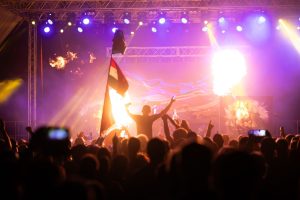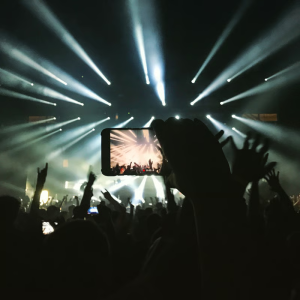

Live music shows have an unparalleled ability to bring people together, creating unforgettable experiences filled with energy, excitement, and community. As audiences flock to venues ranging from intimate clubs to massive stadiums, certain genres consistently attract larger crowds. Understanding which genres dominate the live music scene can shed light on current cultural trends and audience preferences. In this article, we will explore the popular live music genres that draw the biggest audiences, supported by real-life examples, expert insights, and research-backed data.
The Evolution of Live Music Audiences
Historical Context
Live music has been a fundamental part of human culture for centuries, evolving from folk traditions to the diverse genres we see today. In the mid-20th century, genres like rock and roll began to dominate live performances, with bands like The Beatles and The Rolling Stones setting the stage for massive concerts and festivals. This era marked the shift from small, local shows to large-scale events that could attract thousands of fans.
As music technology advanced, so did the production and staging of live performances. The introduction of elaborate light shows, sound systems, and visual effects transformed the concert experience, making it even more appealing to larger audiences.
The Impact of Festivals
Music festivals have played a significant role in shaping audience preferences and creating a communal atmosphere that draws fans from various backgrounds. Events like Coachella, Glastonbury, and Lollapalooza showcase a diverse range of genres, allowing attendees to experience multiple styles of music in one setting. This diversity not only highlights popular genres but also introduces audiences to new sounds, expanding their musical horizons.
Popular Live Music Genres
1. Rock
Rock music has long been a powerhouse in the live music scene, attracting devoted fans who revel in the energy of live performances. Iconic bands like U2, Foo Fighters, and Coldplay continue to draw massive crowds, often selling out stadiums around the world. The genre’s appeal lies in its ability to evoke powerful emotions, with anthemic choruses and electrifying guitar riffs that resonate with audiences.
Real-Life Example: The 2019 “The Joshua Tree Tour” by U2 was a prime example of rock’s enduring popularity. The band performed to sold-out crowds in multiple cities, showcasing their ability to connect with fans through both nostalgia and fresh interpretations of their classic hits.
2. Pop
Pop music reigns supreme in the charts and the live music scene, drawing diverse audiences eager to see their favorite artists perform. With catchy melodies, relatable lyrics, and high-energy performances, pop concerts are designed to entertain and engage fans. Artists like Taylor Swift, Ariana Grande, and Ed Sheeran have consistently sold out arenas, showcasing the genre’s mass appeal.
Expert Insight: According to a report from Pollstar, pop artists accounted for a significant portion of ticket sales in 2022, with Taylor Swift’s “Reputation Stadium Tour” grossing over $345 million. This staggering figure highlights the powerful draw of pop music in the live performance landscape.
3. Hip-Hop
Hip-hop has emerged as one of the most influential genres in recent years, and its live performances reflect that impact. Artists like Drake, Kendrick Lamar, and Travis Scott have captivated audiences with their dynamic stage presence and engaging performances. The genre’s ability to blend storytelling with infectious beats creates an immersive experience that resonates deeply with fans.
Research-Backed Data: According to a study by the National Endowment for the Arts, hip-hop represents one of the fastest-growing genres in the United States, with live performances contributing significantly to its popularity. The genre’s connection to urban culture and social issues resonates with younger audiences, making it a driving force in the music industry.
4. Electronic Dance Music (EDM)
The rise of electronic dance music (EDM) has transformed the live music landscape, giving birth to massive festivals and events dedicated to this genre. Artists like Calvin Harris, Marshmello, and Tiësto have become household names, drawing thousands of fans to their electrifying performances. The festival atmosphere, complete with elaborate light shows and immersive visuals, enhances the overall experience, attracting fans from diverse backgrounds.
Real-Life Example: The annual Electric Daisy Carnival (EDC) in Las Vegas is a prime example of EDM’s popularity. In 2022, the festival attracted over 400,000 attendees over three days, showcasing the genre’s ability to create a vibrant and inclusive community.
5. Country
Country music has a loyal and passionate fan base, with artists like Luke Bryan, Carrie Underwood, and Miranda Lambert consistently selling out arenas and festivals. The genre’s storytelling aspects resonate with audiences, often reflecting themes of love, heartbreak, and resilience. Country concerts are known for their lively atmosphere, with fans often singing along to their favorite hits.
Expert Insight: The Country Music Association (CMA) reported that country music festivals have seen a surge in attendance over the past decade, with events like the CMA Fest attracting tens of thousands of fans each year. This trend underscores the genre’s enduring popularity and its ability to connect with audiences on a personal level.
6. Indie and Alternative
While indie and alternative music may not dominate the mainstream charts, they have a dedicated following that thrives in live music settings. Bands like Arctic Monkeys, Tame Impala, and Vampire Weekend draw devoted fans who appreciate their innovative sounds and authentic performances. Smaller venues and festivals often feature indie artists, creating an intimate atmosphere that resonates with audiences.
Research-Backed Data: A report from the International Federation of the Phonographic Industry (IFPI) indicated that indie and alternative genres have seen significant growth in streaming and live performances, with fans increasingly seeking out unique and authentic experiences. This trend reflects a broader cultural shift toward valuing artistic integrity and originality.
7. Reggae
Reggae music has a rich cultural history and continues to attract audiences worldwide. Artists like Bob Marley, Damian Marley, and Protoje have popularized the genre, bringing its messages of love, unity, and social justice to the forefront. Reggae festivals often create a laid-back, communal atmosphere, drawing fans who appreciate the genre’s positive vibes.
Real-Life Example: The annual Reggae Sumfest in Jamaica is one of the largest reggae festivals globally, attracting thousands of fans each year. The festival showcases a diverse lineup of reggae artists, celebrating the genre’s cultural significance and its ability to bring people together.
The Influence of Audience Demographics
Age Groups
Different genres attract varying age demographics, influencing attendance at live music shows. For example, younger audiences tend to gravitate toward pop and hip-hop concerts, while older generations may prefer classic rock or country shows. Understanding these demographic trends can help artists and promoters tailor their performances and marketing strategies.
Expert Insight: A survey conducted by Nielsen Music revealed that millennials and Gen Z are more likely to attend live music events than older generations, with 75% of respondents aged 18-34 reporting they attended at least one live show in the past year. This data highlights the growing importance of appealing to younger audiences in the live music industry.
Cultural Trends
Cultural movements and societal issues also play a significant role in shaping audience preferences. For instance, the rise of social justice movements has influenced the popularity of genres like hip-hop and reggae, where artists often address relevant social issues through their music. This connection to contemporary culture resonates with audiences, driving attendance at live shows.
Research-Backed Data: According to a study by the Music Business Association, live music attendance is increasingly influenced by cultural and political factors. The report found that fans are more likely to support artists whose messages align with their values, reflecting a desire for authenticity and connection in the music they consume.
The Future of Live Music Genres
Trends to Watch
As the live music scene continues to evolve, several trends are shaping the future of popular live music genres. Hybrid events, combining live performances with virtual experiences, are becoming increasingly common, allowing artists to reach broader audiences beyond traditional venues. This shift may impact audience demographics and preferences, as fans seek new ways to engage with music.
Real-Life Example: In response to the COVID-19 pandemic, numerous artists turned to live-streaming platforms to connect with fans. For instance, Billie Eilish held a virtual concert that attracted millions of viewers worldwide, demonstrating the potential of digital experiences in the live music landscape.
The Role of Technology
Advancements in technology are also influencing audience engagement at live music shows. From immersive experiences using augmented reality (AR) to enhanced sound systems, these innovations are transforming how fans experience live performances. As technology continues to advance, artists will likely adopt new methods to captivate audiences and create unforgettable experiences.
Expert Insight: A report by PwC suggests that the integration of technology in live music events is expected to grow, with an emphasis on creating unique and interactive experiences for attendees. This trend could reshape audience expectations and preferences in the coming years.
Conclusion
Understanding which genres attract the biggest audiences at live music shows provides valuable insights into current cultural trends and audience preferences. Rock, pop, hip-hop, EDM, country, indie, and reggae each play a significant role in shaping the live music landscape, drawing diverse crowds eager to experience the energy and connection that live performances offer.
As the music industry continues to evolve, staying attuned to audience demographics and cultural influences will be essential for artists and promoters alike. By embracing innovation and creating authentic experiences, the live music scene will continue to thrive, bringing people together through the power of music.